
























Top Mistakes to Avoid in Heat Trace Installation
From improper planning to skipped testing, this article outlines critical heat trace installation mistakes and proven ways to fix them.

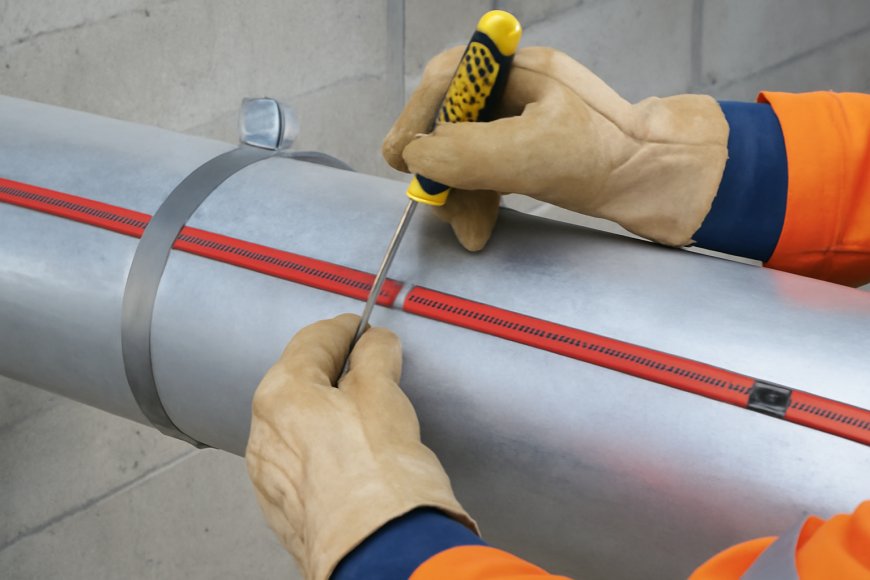
Using a thermal tracing system helps protect pipes, tanks, and all kinds of equipment from big swings in temperature. In the UAE, people value efficiency and fresh ideas for theHeat Trace Installation. Current facts indicate that the UAEs electric thermal systems market grows steadily by 8% to 15% annually, and reports expect revenue to top AED 500 million by the early 2030s. Moreover, local makers and contractors receive substantial government support for eco-friendly and energy-saving practices. In addition, engineers and project managers demand rugged and reliable systems that handle very high heat and occasional humidity.
Mistakes to Avoid in Heat Trace Installation
We now look into the top 10 mistakes you must avoid while working on these projects.
1. Neglecting Proper Planning and Assessment
Starting a project without a clear plan can lead to many problems later. Precise planning stands as the main support for any project that succeeds. You must check the work environment, current systems, and special temperature needs. Before beginning, collect information about the materials you will use, the distances that cables must run, and the range of temperatures you must keep. A proper check helps you find hidden risks and guides you in picking the best design method.
In addition, you carry out careful calculations, run simulations, and ask for expert advice early on. That early review prevents design mistakes that might cost you later during operation. Always include a risk-check stage, welcome design changes, and get input from experienced colleagues. This groundwork saves money and keeps safety rules strong. Every action matters if you want smooth performance and lasting results.
2. Choosing Incorrect Equipment and Materials
Equipment quality is essential. It can help make your project work well or cause it to fail. The system faces rough weather and huge temperature swings. Engineers must choose parts that work well with local conditions and meet required standards. Check the ratings and strength of cables and other parts carefully before using them. Also, keep these essential points in mind when choosing equipment:
-
Cable quality and ratings: Use only high-grade, weather-resistant cables.
-
Temperature compatibility: Choose parts that fit your service temperature needs.
-
System compatibility: Check that new pieces work well with the equipment you already have or plan to upgrade.
-
Durability in harsh conditions: Make sure every part can handle the formidable challenges of extreme climates. Reviewing these details carefully keeps your work safe and makes the system last. By choosing the right materials and parts, you avoid surprises later.
3. Skipping Comprehensive System Design
Many professionals hurry to start work without a clear design plan. A good layout must cover issues such as cable paths, proper cable support, and the correct placement of insulation. You need to study every part of your pipeline and equipment. Every curve, bend, or joint requires its own routing strategy. Also, consider how swings in temperature affect your system during busy and quiet times.
Skilled engineers measure cable lengths carefully, factor in expected heat loss, and allow safe margins. They plan the cable routes to avoid overlaps or tight spots. Moreover, this planning stage lets you compare the benefits of different technologies. Keep your focus on making a plan that can handle unexpected problems. Spending extra time on design now saves you from setbacks and additional costs later.
4. Underestimating Environmental Factors
Environmental factors must be considered crucial to your project. Often, the surrounding conditions decide how well your system works. Air temperature, moisture, and exposure to dust or salt can change equipment performance. In the UAE, hot summer days mix with cool evenings.
Engineers must plan for changes in size caused by heat by picking parts that work well under different conditions. Designers should check wind patterns and any possible water leaks that could cause rust or cable damage. Furthermore, local weather data matters a lot. Always carefully study the environment and adapt your design to face these challenges head-on.
5. Ignoring Safety Standards and Regulations
Following safety rules is a must. Some professionals ignore these essential details, thinking that strict rules slow progress. Yet safety codes protect both workers and equipment. You need to follow local and international guidelines from the very start. Each component must be installed correctly to lower fire risks, electrical shocks, or mechanical problems.
Abiding by these rules ensures your system can handle daily stress while lowering legal risks. In the UAE, regulatory bodies work hard to enforce high standards. Local industries benefit when companies invest in thorough training and certification programs.
6. Poor Electrical Connection Practices
You need to pay close attention to your electrical setup. A strong connection makes your system run smoothly and safely, while a small mistake can lower performance or create hazards. Electrical wiring must meet high standards. You must work on every connection carefully and check each joint twice. Faulty wiring can cause hot spots, start fires, or even lead to system shutdowns. Use these ideas for a safe electrical framework:
-
Wiring and connection integrity: Test every wire and ensure each connection stays strong even with vibrations or temperature changes.
-
Adherence to electrical codes: Use only certified materials that meet local and international rules.
-
Circuit testing: Test circuits thoroughly before you finish your work.
-
Monitoring voltage and current: Check these numbers at startup to ensure the system works as expected. Following these practices builds a strong electrical network that supports overall performance. Avoid cutting corners on wiring since careful work now prevents big problems later.
7. Rushing the Installation Process
When time pressures occur, some teams rush through their work, leading to mistakes that could have been avoided. Remember, every detail matters when you build your system. Installing cables too quickly might result in misaligned paths or insufficient insulation. Every component needs to be fixed securely and set up accurately.
Instead of hitting impossible deadlines, concentrate on working carefully and precisely at every step. A deliberate process boosts your teams confidence and ultimately saves money. Ensure you perform complete checks and system audits before you declare the work finished.
8. Overlooking Integration with Control Systems
A project does not succeed without a strong control and monitoring system. Including a capable control system lets you keep a clear sight of the overall operation. Many projects miss this part, leaving systems weak against hidden failures. You need to plan an integration method to watch temperature, voltage, and performance in real time.
An intelligent control system tracks efficiency and alerts you quickly if theres a problem. Additionally, remote diagnostics help you fix minor issues before they become big. Incorporating control modules in your design opens the door for future updates.
9. Neglecting Regular Maintenance and Monitoring
Regular maintenance plays a key role in long-term success even after your system starts working. Some projects suffer because they assume one setup will last forever. Over time, even the strongest systems begin to wear. You need to plan and set up a routine maintenance program immediately. Consider these practices for smart maintenance:
-
Routine inspections and performance tests: Do regular checks to ensure the system runs at its best.
-
Regular cleaning and connection checks: Keep your cables and connection points free of dust and corrosion.
-
Detailed documentation: Record all maintenance work and system changes to track history and plan future upgrades.
-
Timely component updates: Replace parts that show early signs of wear before they cause bigger problems.
Conclusion
Success with a thermal tracing system depends on a clear plan and attention to every small detail. Engineers and managers must avoid minor mistakes that later turn into big problems. Embrace careful planning, choose equipment wisely, and use the proper wiring and connection methods.
While performing the Heat Trace Installation in the UAE. Avoid rushing the work; always include a modern control system to monitor performance. You build a sturdy and efficient network that works well under harsh conditions, and this careful approach lowers the risk of expensive errors.
.