





















How the Future of Urban Development Is Shaping the Modern Business Landscape
Discover how the future of urban development is revolutionizing business strategies, shaping innovation, and transforming the modern business landscape.

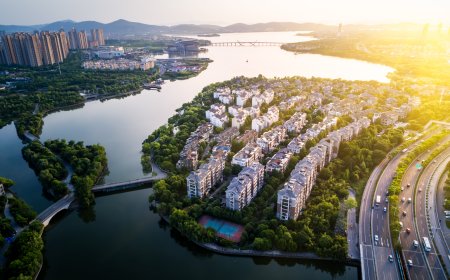
As towns around the world unexpectedly evolve, agencies are beginning to feel the ripple effects of this variation. Urban development is now not just new buildings or increased roadwaysits approximately growing complete ecosystems which can be sustainable, technologically superior, and enterprise-pleasant. With new city fashions being followed globally, the manner groups suppose, plan, and perform is changing dramatically.Modern city centres are emerging as more than just locations to livethey may be becoming strategic hubs for agencies throughout industries. As those spaces become more integrated with technology and sustainability, the possibilities for commercial enterprise enlargement, innovation, and efficiency are multiplying.
Smart Cities and the Rise of Intelligent Infrastructure
Smart cities are quickly transitioning from idea to fact. With the combination of technology like the Internet of Things (IoT), artificial intelligence, and cloud computing, urban infrastructure is becoming more responsive and adaptive. Sensors screen site visitors, manage power use, and even optimize public protection in real time. This wise environment benefits agencies by lowering overhead costs and growing operational performance.For example, logistics corporations can reroute deliveries primarily based on real-time visitors information, whilst shops can song patron behaviour the use of clever cameras and modify their offerings as a result. This form of real-time remarks loop lets in groups to make better decisions quicker, in the long run improving customer delight and profitability.
Green Infrastructure is Redefining City Skylines
The shift in the direction of environmentally conscious improvement isn't just a fashionits an important evolution. City skylines are reworking with vertical gardens, sun-panelled rooftops, and green-certified skyscrapers. These design picks arent simply aesthetically attractivethey bring actual economic and environmental value.One of the biggest traits in this realm is the increased focus on the Future of Urban Development. Urban planners are prioritizing sustainability, resilience, and long-term value over short-term gains. As a result, businesses are adapting by aligning their operations with eco-friendly practices, from using energy-efficient lights in places of work to sourcing substances domestically. Not most effective is this appeal to environmentally conscious customers, but it also contributes to long-term financial cost savings and logo integrity.
Urban Mobility and Its Impact on Business Accessibility
As cities develop, so does the need for advanced transportation. The destiny of mobility includes electric-powered automobiles, self-sustaining transit, high-speed rail, and higher pedestrian access. For agencies, those modifications suggest a broader and more reachable patron base, reduced delivery times, and improved employee travel stories.E-commerce, transport services, and trip-hailing organizations are specifically profiting from urban mobility upgrades. With greater dependable and quicker transit networks, these businesses can streamline operations and decrease costs. Moreover, businesses placed near key mobility hubs are more appealing to clients and talent, giving them an aggressive side.
Commercial Real Estate Is Being Reimagined
Urban improvement is pushing industrial real estate into a new era. Traditional office homes are giving way to combined-use tendencies, coworking areas, and adaptive reuse of old systems. In many towns, an unmarried construction now houses retail stores, office spaces, apartments, and green areasall beneath one roof.This shift is encouraging organizations to rethink their physical presence. Companies at the moment are choosing extra bendy leases, tech-included areas, and shared facilities that reduce costs while growing collaboration. The hybrid work model has similarly multiplied this trend, pushing developers to construct smarter, more adaptable business spaces that align with converting enterprise needs.
Business Financial Management within the Urban Growth Context
As urban areas increase and innovate, groups need to additionally adapt their economic strategies to remain competitive. Urban development regularly brings rising real estate prices, new taxes, and infrastructure levies, making financial planning extra complex than ever. At the same time, it opens up opportunities for authorities to offer funding incentives and public-private partnerships.Financial foresight becomes crucial in handling these shifts. Companies have to evaluate the fee-advantage ratio of working in emerging city centres at the same time as staying bendy enough to pivot as improvement continues. Businesses that proactively manage budgets, optimize delivery chains, and reinvest in scalable infrastructure are better positioned to thrive in swiftly evolving city environments.
Digital Connectivity as a Growth Driver
The modern metropolis is wired. The rollout of 5G networks, huge fibre-optic installations, and superior broadband infrastructure is empowering companies to perform faster and smarter. In sectors like fintech, e-trade, healthcare, and education, virtual connectivity is a non-negotiable thing for fulfilment.This connectivity boosts collaboration, allows remote work, and supports the rapid deployment of virtual services. Businesses that depend upon cloud computing, real-time analytics, and global communications gain incredibly from those improvements. As a result, city development that prioritizes virtual infrastructure will become a catalyst for enterprise scalability and innovation.
Urban Development Policy and Entrepreneurial Opportunity
City governments are playing a prime role in defining the Modern Business Landscape. From zoning reforms and startup incubators to innovation districts and tax incentives, city policy is encouraging entrepreneurial growth. These projects appeal to skills, capital, and ideasall essential components for enterprise achievement.Cities like Singapore, Amsterdam, and Toronto are mainly developed by developing innovation hubs that integrate public funding with private employers. Startups and small corporations gain from decreased obstacles to entry, get entry to mentors, and exposure to worldwide markets. As those coverage-driven tasks develop, groups can leverage them to scale greater fast and correctly.
Challenges Businesses Face Amid Rapid Urbanization
Despite the numerous advantages, city improvement additionally brings demanding situations. Gentrification can displace nearby communities and lift operational expenses. Infrastructure strain can motivate provider delays. And new rules can impose compliance burdens. For groups, navigating those limitations calls for adaptability, resilience, and clever planning. Companies can mitigate these risks by making an investment in community engagement, adopting sustainable practices, and staying ahead of regulatory changes. Outsourcing certain operations, adopting technology, and final bending with location picks are some of the methods to maintain stability amid steady city flux.
Conclusion: The Symbiotic Evolution of Cities and Commerce
As the world continues to urbanize, the relationship between town growth and commercial enterprise innovation becomes extra intertwined. The cities of the following day aren't just living areastheyre strategic environments wherein companies can innovate, scale, and lead. Understanding and embracing the continuing transformation in urban development is no longer non-compulsory; its important for long-term fulfilment.The organizations that are successful may be those that remain agile, put money into technology, embrace sustainability, and recognize that the future of commerce lies in sync with the towns they inhabit.