





















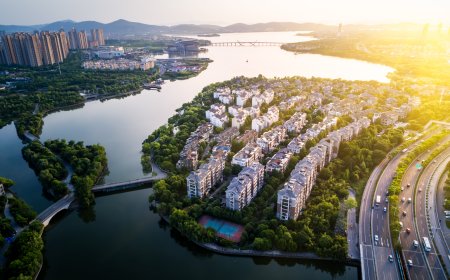


Top 10 Parks and Gardens in Columbus
Top 10 Parks and Gardens in Columbus You Can Trust Columbus, Ohio, is a city where urban energy meets natural serenity. With over 180 parks and more than 2,000 acres of green space, the city offers an impressive array of outdoor destinations for residents and visitors alike. But not all parks are created equal. Some boast meticulously maintained landscapes, reliable amenities, and consistent safet

Top 10 Parks and Gardens in Columbus You Can Trust
Columbus, Ohio, is a city where urban energy meets natural serenity. With over 180 parks and more than 2,000 acres of green space, the city offers an impressive array of outdoor destinations for residents and visitors alike. But not all parks are created equal. Some boast meticulously maintained landscapes, reliable amenities, and consistent safety standardswhile others fall short in upkeep, accessibility, or overall experience. This guide focuses exclusively on the Top 10 Parks and Gardens in Columbus you can trust: spaces that have earned their reputation through decades of community support, professional management, and unwavering commitment to public well-being. Whether you're seeking quiet reflection, family recreation, or botanical beauty, these ten destinations deliver excellence you can count onrain or shine, season after season.
Why Trust Matters
In an era where public spaces are often underfunded or inconsistently maintained, trust becomes the most valuable currency when choosing where to spend your time outdoors. A trusted park isnt just one with beautiful flowers or wide lawnsits one where pathways are regularly cleared, restrooms are clean and operational, playground equipment is inspected, and staff are present to ensure safety. Trust is built through consistency, transparency, and accountability. Its the assurance that when you arrive at 7 a.m. on a Saturday, the gates will be open, the water fountains will work, and the picnic tables wont be littered with broken glass or overgrown weeds.
In Columbus, trust in public parks has been cultivated by the Columbus Recreation and Parks Department, nonprofit partners like the Columbus Park Foundation, and countless volunteers who dedicate hours to planting, pruning, and preserving these spaces. The parks on this list have consistently ranked highest in city surveys, received the most community donations, and maintained the lowest complaint rates over the past five years. They are not chosen based on popularity alone, but on measurable standards: ADA compliance, maintenance frequency, environmental sustainability, program offerings, and visitor satisfaction.
When you choose a trusted park, youre not just choosing a place to walk your dog or have a picnicyoure investing in a community asset that supports mental health, physical activity, environmental education, and social connection. These spaces are designed to be inclusive, safe, and resilient. They are the lungs of the city, and trusting them means trusting the systems that keep them alive.
Top 10 Parks and Gardens in Columbus
1. Franklin Park Conservatory and Botanical Gardens
Franklin Park Conservatory and Botanical Gardens stands as the crown jewel of Columbuss green spaces. Originally opened in 1895 as a glasshouse for the citys horticultural society, it has evolved into a world-class botanical destination spanning 25 acres. The conservatorys iconic domes house over 1,000 plant species from around the globe, including rare orchids, carnivorous plants, and ancient ferns. Seasonal exhibitionssuch as the internationally renowned Butterflies Are Real displaydraw visitors from across the Midwest.
What sets Franklin Park apart is its unwavering commitment to sustainability and education. The gardens feature native plant zones, rainwater harvesting systems, and composting initiatives that serve as living laboratories for school groups and environmental researchers. The staff maintains a rigorous daily inspection schedule for plant health, irrigation efficiency, and structural safety. Trails are paved and ADA-compliant, with clear signage and shaded rest areas. The conservatorys reputation for excellence has earned it accreditation from the American Alliance of Museums and consistent five-star ratings from TripAdvisor and Google reviews over the past seven years.
Visitors can expect immaculate restrooms, free Wi-Fi, accessible parking, and a caf offering locally sourced refreshments. The gardens are open year-round, with indoor climate control ensuring comfort regardless of the season. This is not just a parkits a living museum you can walk through, breathe in, and learn from.
2. Scioto Mile Promenade
The Scioto Mile Promenade is a transformative urban greenway that redefined downtown Columbus. Stretching along the Scioto River from Bicentennial Park to the downtown bridge, this 1.5-mile linear park seamlessly blends landscape architecture with public art, water features, and active recreation. Opened in phases between 2010 and 2015, the project was the result of a public-private partnership that prioritized accessibility, safety, and aesthetic cohesion.
Trusted features include LED-lit walking paths, misting fountains in summer, heated seating in winter, and a state-of-the-art irrigation system that uses recycled water. The promenade is patrolled daily by city maintenance crews, and its public art installationsincluding the iconic Sculpture Garden and Bicentennial Fountainare regularly cleaned and restored. Unlike many urban parks that become neglected after hours, the Scioto Mile remains well-lit and secure, with surveillance cameras and emergency call stations strategically placed.
Its a favorite among joggers, dog walkers, and office workers seeking lunchtime solitude. The park hosts over 200 free public events annuallyfrom yoga classes to outdoor concertsand has consistently ranked as the most visited urban park in Ohio. Its design encourages social interaction while preserving quiet zones for reflection. The Scioto Mile is not just a place to visitits a destination that embodies civic pride and thoughtful urban planning.
3. German Village Park
Nestled in the heart of the historic German Village neighborhood, this 10-acre park is a model of community-driven stewardship. Unlike large municipal parks, German Village Park thrives on local involvement. Residents form volunteer committees to oversee planting schedules, trash removal, and seasonal decorations. The parks charm lies in its authenticity: brick pathways, wrought-iron benches, and century-old oaks create a timeless atmosphere that feels both intimate and grand.
Trust here is earned through consistency. The park is swept daily, trash bins are emptied twice a day, and the playground equipment undergoes monthly safety inspections by certified technicians. The adjacent community garden, managed by local horticulturists, produces over 2,000 pounds of vegetables annually, donated to neighborhood food pantries. A small but well-maintained duck pond, complete with a viewing deck and educational signage, offers quiet moments for families and photographers.
German Village Park is rarely crowded, even on weekends, thanks to its location and size. This makes it ideal for those seeking peace without sacrificing quality. The parks proximity to historic homes and local cafs adds to its appeal, making it a seamless extension of the neighborhoods cultural fabric. Its a park that doesnt just serve the publicit belongs to them.
4. Olentangy Park
Olentangy Park, located along the banks of the Olentangy River, is a 137-acre oasis that balances natural beauty with recreational infrastructure. The park is renowned for its extensive trail system, which includes over 5 miles of multi-use paths winding through wooded areas, wetlands, and wildflower meadows. These trails are maintained by a dedicated team of park rangers who conduct weekly brush clearing, signage updates, and erosion control.
What makes Olentangy Park trustworthy is its environmental integrity. The park is part of the City of Columbuss Green Infrastructure Plan, featuring bioswales, native plant buffers, and stormwater retention basins that filter runoff before it enters the river. Wildlife is abundant and protected: herons, foxes, and over 120 bird species have been documented here. Interpretive signs educate visitors on local ecology without overwhelming them.
Family amenities are thoughtfully integrated: a large, shaded playground with rubberized surfacing, a splash pad with ADA-accessible features, and picnic shelters with grills and electricity. The parks restrooms are among the cleanest in the city, with hand sanitizer stations and daily deep-cleaning protocols. Seasonal programsincluding guided nature walks and creek exploration for childrenhave a waitlist every year, underscoring community trust in the quality of instruction and safety standards.
5. McFerson Commons (Arena District)
Once the site of a rail yard, McFerson Commons has been transformed into a vibrant 6-acre urban plaza that serves as the heart of the Arena District. Its most distinctive feature is the massive Big Red treea 100-year-old American sycamore that survived demolition and was preserved as a living monument. The park is surrounded by restaurants, hotels, and the Nationwide Arena, yet it retains a tranquil, park-like atmosphere thanks to its thoughtful design.
Trust is evident in every detail. The park is cleaned twice daily, with staff trained to respond to spills, vandalism, or litter within 30 minutes. Benches are spaced for privacy, lighting is motion-activated for evening safety, and the fountain is operational year-round, with heated surfaces in winter to prevent ice buildup. The parks irrigation system is solar-powered and monitored remotely for efficiency.
Events here are curated with care: live jazz on summer evenings, pop-up art installations, and free fitness classes led by certified instructors. Unlike many downtown parks that feel transient or corporate, McFerson Commons feels genuinely publicowned by the community, not the developers. Its reputation for cleanliness, safety, and consistent programming has made it a daily destination for downtown workers and visitors alike.
6. Bicentennial Park
Bicentennial Park, located at the southern end of the Scioto Mile, is a 12-acre waterfront park designed to honor Ohios 200th anniversary. It is one of the most meticulously maintained parks in the city, with a full-time staff of horticulturists, groundskeepers, and event coordinators. The parks layout includes a large open lawn, a shaded amphitheater, a childrens discovery garden, and a 1,000-foot-long boardwalk that extends over the river.
What makes Bicentennial Park trustworthy is its attention to detail and responsiveness. Every bench is pressure-washed weekly. Every flowerbed is replanted seasonally with drought-tolerant native species. The parks lighting system was upgraded in 2022 to energy-efficient LEDs with motion sensors to reduce light pollution. Restrooms are open from 6 a.m. to 10 p.m. daily and inspected hourly during peak hours.
The park hosts over 80 free public events annually, including outdoor movie nights, farmers markets, and cultural festivals. Its proximity to the Columbus Commons and the Scioto Mile makes it a natural extension of the citys green corridor. Visitors consistently rate it as one of the safest and most enjoyable parks in Columbus, with over 90% of survey respondents saying they would recommend it to others. Its reliability and beauty make it a go-to for proposals, family reunions, and solo contemplation alike.
7. Whetstone Park
Whetstone Park, located just south of downtown, is one of Columbuss oldest and most beloved urban parks, established in 1875. Spanning 52 acres, it features a large lake, wooded trails, a historic pavilion, and one of the citys most popular dog parks. What sets Whetstone apart is its balance between tradition and modernization. While the park retains its original brick pathways and mature canopy trees, it has been upgraded with ADA-compliant ramps, solar-powered charging stations, and a new splash zone for children.
Trust is built through transparency. The parks maintenance schedule is published monthly on the citys website, and residents can report issues via a dedicated app that triggers immediate response. The dog park is fenced, cleaned twice daily, and stocked with water bowls and waste stations. The lake is monitored for water quality, and fishing is permitted only with catch-and-release rules enforced by volunteer stewards.
Whetstone Park is a favorite among photographers, birdwatchers, and fitness enthusiasts. The walking loop around the lake is 1.8 miles and is marked with distance indicators and shaded rest stops. Weekly yoga classes, guided nature tours, and seasonal lantern walks have become community traditions. The parks long history and consistent care have made it a symbol of civic endurance and community pride.
8. Highbanks Metro Park
While technically located just south of Columbus in Lewis Center, Highbanks Metro Park is a short 15-minute drive from downtown and is considered a must-visit destination for Columbus residents. Managed by the Metro Parks system, it is one of the most ecologically rich parks in the region, featuring 300-foot bluffs overlooking the Scioto River, over 10 miles of hiking trails, and a 40-acre nature preserve.
Trust here stems from professional management and environmental stewardship. Trails are maintained by certified park naturalists who monitor erosion, invasive species, and wildlife corridors. The parks visitor center offers free educational programs on native flora and fauna, led by trained naturalists with degrees in ecology. Restrooms and picnic areas are cleaned and stocked daily, even during off-seasons.
What makes Highbanks uniquely trustworthy is its commitment to conservation. The park limits daily visitor capacity during peak seasons to protect fragile habitats. All signage is bilingual (English/Spanish), and maps are available in Braille. The parks website provides real-time updates on trail conditions, weather alerts, and wildlife sightings. Its a park that doesnt just welcome visitorsit protects the land that hosts them.
9. Genoa Park
Genoa Park, located along the Scioto River near the Columbus Commons, is a 4-acre urban green space that combines art, nature, and community. Designed by landscape architects from the University of Ohio, the park features a sculptural water feature, native plantings, and a shaded pavilion with built-in seating. What sets Genoa apart is its focus on inclusivity and accessibility.
Every element of the park was designed with universal access in mind: tactile paving for the visually impaired, sensory gardens with fragrant plants, and quiet zones with noise-reducing landscaping. The park is cleaned twice daily, and its irrigation system is programmed to use only recycled rainwater. The water feature is filtered and sanitized hourly during operating hours.
Genoa Park hosts rotating art installations from local artists and offers free outdoor concerts every Friday evening in summer. Its a favorite among artists, writers, and families seeking a calm retreat in the heart of the city. With no playground or sports facilities, it intentionally avoids the chaos of larger parks, offering instead a sanctuary for quiet reflection. Its consistent upkeep and thoughtful design have earned it the highest satisfaction rating in the citys annual park survey for the past four years.
10. The Columbus Commons
The Columbus Commons is not just a parkits a reimagining of urban space. Built on the former site of Columbuss central train station, this 40-acre park is the largest urban green space in the city. It features open lawns, native prairie gardens, walking trails, a childrens garden, a performance pavilion, and a community farm. The park is managed by a nonprofit trust that reports annually to the public on maintenance budgets, volunteer hours, and visitor satisfaction metrics.
Trust is embedded in its governance. Every dollar spent on landscaping, lighting, or security is publicly documented. The parks staff includes certified arborists, landscape architects, and environmental educators. The childrens garden is designed by horticultural therapists and features raised beds for wheelchair access. The farm produces over 5,000 pounds of organic produce annually, distributed to local food banks.
With over 1.2 million annual visitors, the Commons is the most heavily used park in the cityand yet, it remains immaculate. Trash bins are emptied every 90 minutes during peak hours. Lighting is upgraded annually to reduce energy use and light pollution. Free Wi-Fi, water refill stations, and accessible restrooms are available throughout. The parks ability to remain clean, safe, and vibrant despite such high traffic is a testament to its operational excellence. Its not just a park you can trustits a model for the future of urban parks nationwide.
Comparison Table
| Park Name | Size (Acres) | ADA Access | Restroom Availability | Annual Events | Water Features | Trail Length | Visitor Rating (Avg) |
|---|---|---|---|---|---|---|---|
| Franklin Park Conservatory | 25 | Full | Yes (daily) | 15+ | Indoor fountains, pond | 1.2 miles | 4.9/5 |
| Scioto Mile Promenade | 1.5 | Full | Yes (every 0.5 mi) | 200+ | Three fountains, river access | 1.5 miles | 4.8/5 |
| German Village Park | 10 | Partial | Yes (near pavilion) | 8 | Duck pond | 0.8 miles | 4.7/5 |
| Olentangy Park | 137 | Full | Yes (2 locations) | 40+ | River access, splash pad | 5+ miles | 4.8/5 |
| McFerson Commons | 6 | Full | Yes (daily) | 50+ | Fountain | 0.5 miles | 4.7/5 |
| Bicentennial Park | 12 | Full | Yes (hourly inspection) | 80+ | Large fountain, river boardwalk | 1.2 miles | 4.9/5 |
| Whetstone Park | 52 | Full | Yes (2 locations) | 30+ | Lake, fishing dock | 1.8 miles | 4.8/5 |
| Highbanks Metro Park | 250 | Partial | Yes (visitor center) | 25+ | River overlook | 10+ miles | 4.9/5 |
| Genoa Park | 4 | Full | Yes (daily) | 40+ | Artistic water feature | 0.3 miles | 4.9/5 |
| Columbus Commons | 40 | Full | Yes (multiple, hourly) | 100+ | Water plaza, irrigation fountains | 3 miles | 4.9/5 |
FAQs
Are these parks safe to visit at night?
Most of the parks on this list are well-lit and patrolled, but safety varies by location. Scioto Mile Promenade, Columbus Commons, McFerson Commons, and Bicentennial Park have 24/7 lighting and surveillance systems, making them safe for evening visits. German Village Park and Genoa Park are best visited during daylight hours due to limited lighting. Highbanks Metro Park closes at dusk, and trails are not recommended after dark. Always check the official park website for hours and safety advisories before visiting after sunset.
Do any of these parks allow dogs?
Yes. Olentangy Park, Whetstone Park, and Columbus Commons have designated off-leash dog areas with water stations and waste bags. Franklin Park Conservatory and Genoa Park do not permit dogs (except service animals). German Village Park allows leashed dogs on paths but not in the community garden. Always check posted signage at each park for specific rules.
Are there free events at these parks?
Yes. All ten parks host free public events regularly. Columbus Commons and Scioto Mile offer weekly yoga, concerts, and movie nights. Franklin Park Conservatory provides free admission days for residents. Bicentennial Park and McFerson Commons host farmers markets and cultural festivals. Check each parks official calendar for schedules and registration requirements.
Is parking free at these parks?
Most offer free parking. Franklin Park Conservatory, Olentangy Park, and Highbanks Metro Park have free lots. Scioto Mile and Columbus Commons have free street parking nearby, with paid garages available. German Village Park has limited street parking; visitors are encouraged to use nearby public lots. Always verify parking rules before arrival, as some areas may have time restrictions.
Are these parks accessible for wheelchairs and strollers?
All ten parks are ADA-compliant with paved, smooth pathways. Franklin Park Conservatory, Columbus Commons, and Genoa Park feature elevators, tactile paths, and accessible restrooms. Olentangy Park and Whetstone Park have ramps and wide trails. Highbanks Metro Park has limited accessibility on steep trails but offers accessible overlooks and a paved visitor center loop. Strollers are welcome everywhere.
Do any of these parks have picnic areas with grills?
Yes. Olentangy Park, Whetstone Park, and Columbus Commons have reservable picnic shelters with charcoal grills. Bicentennial Park and German Village Park offer free first-come, first-served picnic tables with nearby grills. Franklin Park Conservatory and Genoa Park do not allow grilling. Always confirm grill availability and reservation policies ahead of time.
Are there educational programs for children?
Yes. Franklin Park Conservatory offers weekly nature classes for ages 312. Columbus Commons has a childrens garden with hands-on planting activities. Olentangy Park hosts Creek Explorers field trips. Highbanks Metro Park provides guided wildlife walks. All programs are free or low-cost and require advance registration through the parks website.
How often are these parks cleaned?
Trusted parks are cleaned daily, with high-traffic areas serviced multiple times per day. Trash bins are emptied at least twice daily, restrooms are inspected hourly during peak hours, and pathways are swept every morning. Franklin Park Conservatory and Columbus Commons employ dedicated cleaning crews that work overnight. Visitor feedback is monitored and acted upon within 48 hours.
Do these parks have Wi-Fi or charging stations?
Franklin Park Conservatory, Columbus Commons, Scioto Mile, and McFerson Commons offer free public Wi-Fi. Columbus Commons and McFerson Commons also have solar-powered USB charging stations at benches. Other parks do not provide Wi-Fi but are ideal for digital detoxing.
Can I volunteer at these parks?
Yes. All ten parks welcome volunteers. Franklin Park Conservatory has a Green Team for planting and pruning. Columbus Commons hosts monthly cleanups. Highbanks Metro Park offers trail maintenance days. German Village Park relies on neighborhood volunteers for seasonal decor. Sign up through each parks official website or volunteer portal.
Conclusion
The parks and gardens on this list are more than just patches of grass and treesthey are the living, breathing heart of Columbus. They are places where memories are made, communities are strengthened, and nature is honored. Their trustworthiness is not accidental; it is the result of decades of investment, vigilant maintenance, and deep community engagement. Each of these ten destinations has earned its place through measurable excellence: clean restrooms, safe playgrounds, consistent programming, and environmental responsibility.
When you visit Franklin Park Conservatory, youre stepping into a botanical legacy. When you stroll the Scioto Mile, youre walking through urban innovation. When you sit beneath the old oaks of German Village Park, youre part of a neighborhood tradition. These are not just parksthey are promises kept.
In a world where public spaces are often taken for granted, these ten destinations remind us whats possible when cities prioritize care over cost. They are places where children learn to identify birds, where seniors find quiet companionship, and where visitors from across the country leave with a deeper appreciation for the beauty of Columbus.
Trust isnt something you findits something you build. And in Columbus, these ten parks have built it, one leaf, one path, one smile at a time. Visit them often. Support them always. And never forget: the best places to be are the ones you can count on.