



















How to Pack for the Manaslu Circuit: Essential Gear List
Experience the Manaslu Circuit Trek, a hidden gem in Nepal offering epic mountain views, fewer crowds, and cultural encounters.
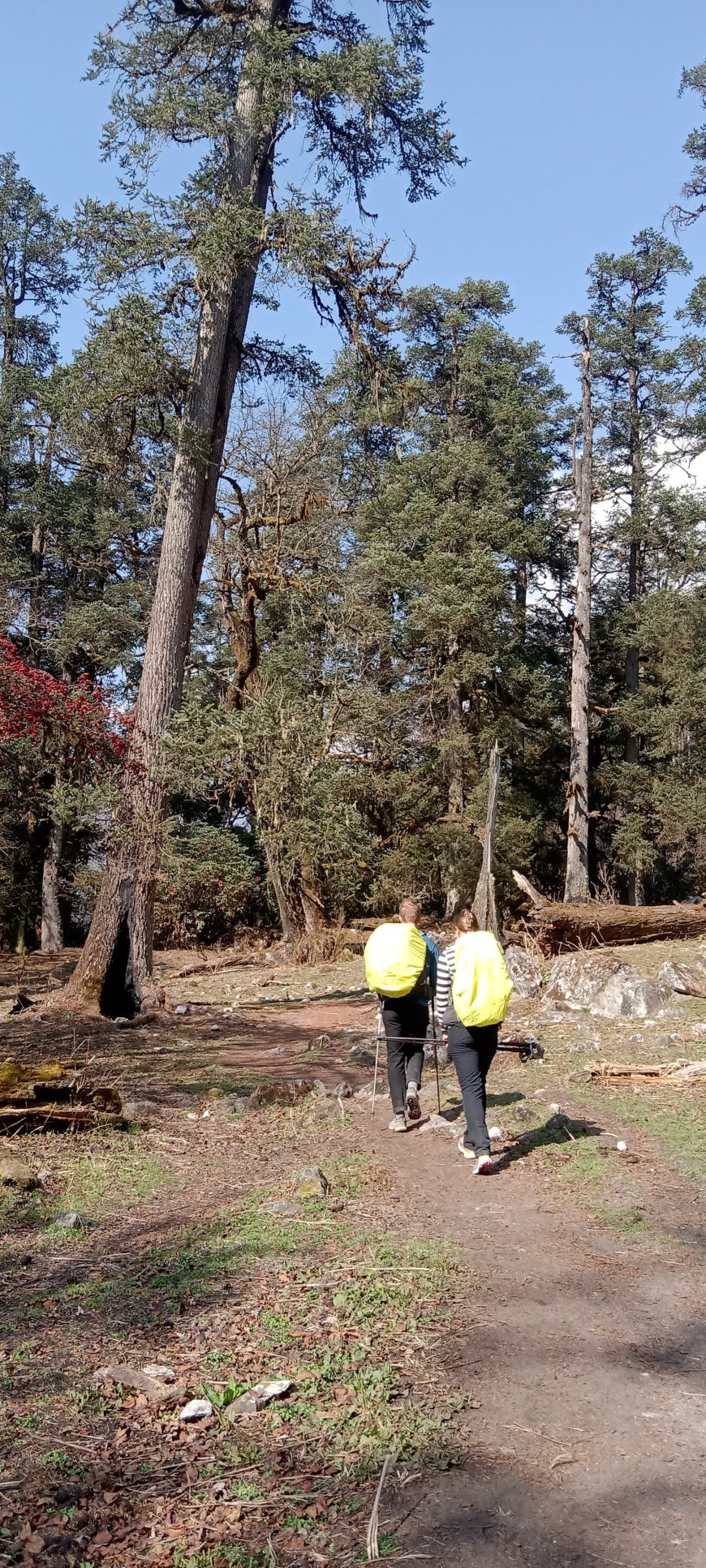
For theManaslu Circuit, what you % can spell the difference between a worthwhile journey and one where youre uncomfortable, unsafe, or grounded from the trail? The Manaslu place is less frequented than the Annapurna or Everest circuits, but this is partially why it's also farther off and wild. The 14-day trek takes you through all varieties of exclusive landscapes, from subtropical valleys to glacial high passes over five hundred meters, so youll need to be organized for all sorts of weather and path conditions.
You also want to carry all the necessary kit, and maybe not rely on buying stuff when you are walking, as facilities are more basic than other trekking areas. Pack too much and youll wear out, pack too little and youll be risking the cold or pain or worse. Packing smart is about being flexible, weighing, and prepared for what you might encounter.
Whether you are hiring a guide and porters or not, or whether you are hiking with a full pack or with a porter for your bag, we have what you need in the ultimate Gear List Guide from clothing and footwear to sleeping equipment, electronics, and first aid. These carefully culled tips will help ensure youre cozy at night, dry during storms, and strong enough to crush steep climbs and high-altitude passes. Click here to read what to pack and how to pack it right.
Backpack and Packing System
Choose your backpack you want a decent, well-fitted, comfortable day 45-60L which has a padded hip belt and load adjusters. If you do hire a porter, have a duffel bag and a 2030L daypack for essentials. Stash apparel in packing cubes or dry luggage and shield your gear from the downpour. Carry a waterproof sleeve on your backpack. Ensure that provisions (jacket, bottle of water, and a few snacks) are without difficulty accessible. 8-10kg max is going to be comfortable on big trekking days.
Clothing Layers for All Conditions
Good layering is important for heading into the mountains for a Manaslu Circuit trek. Also, pack moisture-wicking base layers, warm fleece or down mid-layers, and a waterproof outer shell. Pack 2-3 fast-dry trekking shirts, 2 trekking pants, and 3 shorts. 1-2 long-sleeve trek dry-fit shirts, long thermal underwear, and down pants and jacket, a pair of warm woolen gloves or moderate-weight fleece gloves. A warm hat and a buff or neck gaiter protect your neck and lower face from chilly winter air. Weather can be fickle from warm, sunny valleys to cold high mountain passes so layers provide options. Avoid cotton; it absorbs water like nothing else and will freeze you at altitude. Choose light, quick-dry fabrics for additional comfort and packability.
Footwear and Foot Care
Instead, get broken-in, high-ankled hikers that will provide more support and traction on jagged terrain. 70 71 Wool or synthetic socks (3-5) and thick thermal socks if it feels better to sleep in. Wear Camp Shoes or Sandals for an excellent evening comfort shoe. Bring blister pads, a Moleskine, and nail clippers to keep your feet healthy. Wet feet = infection and blisters: bring spare socks and keep same dry. Keep your feet comfortable and protected as you cross streams, scramble through boulder fields, and traverse unfastened rock on the path.
Napping tools for cold Nights
Unheated teahouses provide primary lodging, but the elevation and remoteness of the villages mean bloodless, drafty rooms. A sleeping bag is rated down to 10C at a minimum, down is surest for its warmth-to-weight ratio. A sleeping bag liner gives you more warmth, a layer of easily washable insulation, and the flexibility of using it with just a sheet or with thrown blankets. Earplugs protect against the clamor in teahouses, and an inflatable pillow is an added cushion.
Hydration, nutrition, and fitness essentials
You cant take water for granted, so bring water purification capsules, a clear-out, or a UV sterilizer. (2 bottles or a bladder). High-altitude trekking needs hydration, and the intention to drink 3-4 liters of water in line with the day. Take path snacks such as strength bars, dried fruit, and nuts for quick energy. Its no longer just preserving warmth, you realize, its staying healthy!
Tech, Safety, and Trekking Accessories
Bring a headlamp with extra batteries for early start and power outages. Trekking poles take the pressure off your knees on the downhill. Bring sunglasses (UV protected), sunscreen (SPF), and lip balm if theres sun. A power bank and charging cables can also be helpful electricity is generally in short supply, and many villages run on solar. Do put your permits, insurance papers, and NPR cash in a waterproof baggie (or whatever you can think of), if nothing more than a large ziplock-type bag. www. Trail safety is about preparedness.
Is the Manaslu Circuit safe?
Yes, for organization trekkers who adhere to good acclimatization and safety, it is. Its more remote and far less developed than popular hikes like the Annapurna Circuit but is thought in general to be safe when hikers walk with a registered trekking guide, as the law mandates. Dangers are altitude sickness, landslides (mainly during monsoon), and slips on snow or rocky terrain. DANGERS AND ANNOYANCES: dangers from risks are high (p286 ), but with guided itineraries, weather info, and trekking in the main seasons (March to May and September to November), they are reduced. Emergency evacuation can be made available in the field.
What kind of meals do they offer inside the Manaslu Circuit trek?
The staple is dal bhat (rice, lentil soup, vegetable curry), served all-you-can-eat and fueling. There are noodles and rice cakes and pancakes and noodles and rice and eggs and soups and Tibetan bread.
Straightforward local and international staples are found in teahouses, but menus become uninspired at higher altitudes. There is chocolate, there are biscuits, and there is tea to snack on. Transport problems result in sparse meat at high altitudes, so stick to purely vegetarian fare.
How many trekkers have died on the Manaslu Circuit?
Most of the danger is altitude-related or rare landslides in remote areas. Death is minimal and only really occurs when trekkers ignore the symptoms of Acute Mountain Sickness (AMS), or they try to trek in bad weather. And there are guides, so most of the danger has been mitigated in advance (since people are walking the trail, right?). Whilst distinct from the Manaslu mountain climb, which has more casualties, whether or not the Manaslu Circuit trek is secure has been taken into consideration as a comparatively safe route for the physically fit pedestrian. Acclimatize, Gear up, and use guides. Those pretty much cant kill.
Was the Manaslu Circuit difficult?
Manaslu Circuit Trek Its a 14-18 day stage through isolated mountain wilderness with daily elevation gains and losses and varied track conditions. It is challenging, notably the crossing of Larkya La Pass (5,160m) - a long ascent and descent at altitude. The trekking infrastructure is not as well developed as the Annapurna and Everest regions also make it harder. But with strong fitness, a slow acclimatization plan, and the aid of a guide and porter, it is achievable even for a first-timer who has trained hard.