
























Explore Nature at Pobitora Wildlife Sanctuary in Assam
Discover Pobitora Wildlife Sanctuary, a vibrant wildlife haven in Assam, offering rich biodiversity, stunning Pobitora Wildlife Sanctuary photos, and detailed information including the Pobitora Wildlife Sanctuary in Assam map.

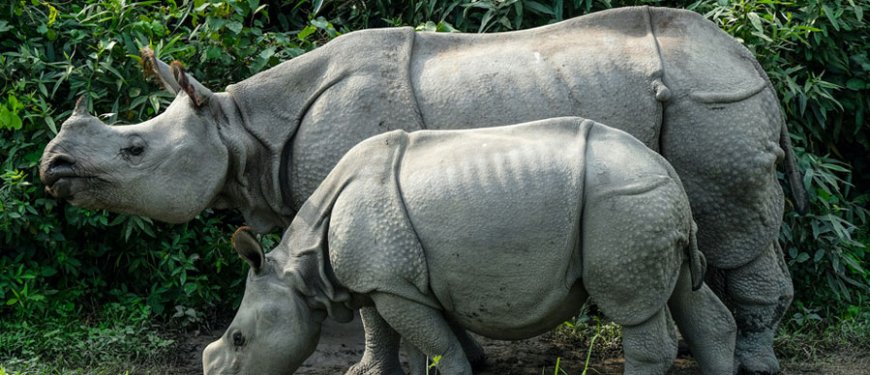
Nestled in the heart of Assam, the Pobitora Wildlife Sanctuary is a true gem for nature lovers and wildlife enthusiasts. Known for its dense population of one-horned rhinoceroses, this sanctuary offers visitors a unique opportunity to witness the rich flora and fauna of Northeast India. Whether you are an avid wildlife photographer, a curious traveler, or someone looking for a peaceful retreat amidst nature, Pobitora Wildlife Sanctuary has something special to offer.
Location and Importance of Pobitora Wildlife Sanctuary
Located about 50 kilometers east of Guwahati, Pobitora Wildlife Sanctuary is one of Assam's most significant protected areas. It sits in the Morigaon district and spans approximately 38 square kilometers. Despite its relatively small size, Pobitora packs a punch in terms of biodiversity. It is often considered a stronghold for the Indian one-horned rhinoceros, hosting one of the highest densities of these majestic creatures in India.
Its proximity to Guwahati makes it an accessible day-trip destination for tourists visiting the city. The Pobitora wildlife sanctuary Guwahati connection ensures that wildlife enthusiasts and families can easily plan a visit without long travels. The sanctuary acts as a critical habitat not only for rhinos but also for many bird species, deer, and other wildlife, making it a hotspot for eco-tourism and conservation awareness.
Flora and Fauna: The Wildlife of Pobitora
Pobitora is famous primarily for its thriving population of the Indian one-horned rhinoceros, an endangered species. These rhinos roam freely in the sanctuarys dense grasslands and riverine forests, providing rare chances to see them in their natural habitat. Apart from rhinos, visitors may spot wild boars, hog deer, and various species of monkeys.
Bird watchers also find Pobitora a delight, as it is home to over 200 species of birds. From colorful kingfishers to majestic eagles, the sanctuary offers abundant birdwatching opportunities throughout the year. The wetland areas and water bodies within the sanctuary attract migratory birds in the winter, adding to the seasonal beauty.
The sanctuarys vegetation mainly consists of tall elephant grasses, mixed deciduous forests, and patches of bamboo groves. This rich plant diversity supports the wide array of wildlife and offers a stunning backdrop for nature photography.
Best Time to Visit Pobitora Wildlife Sanctuary
The ideal time to visit Pobitora Wildlife Sanctuary is from November to April. During this period, the weather is pleasant, and the chances of spotting wildlife are higher. The dry months make the animals come out more frequently near water sources, increasing the likelihood of memorable sightings. The early mornings and late afternoons are the best times to go on safaris.
The monsoon season from June to September is not recommended for visits, as heavy rains can make the sanctuarys trails muddy and less accessible. The thick foliage during monsoons also makes wildlife spotting difficult. However, the sanctuary looks lush and green during this season, appealing to nature lovers who enjoy vibrant landscapes.
Safari Experience: Exploring Pobitora Up Close
One of the most exciting ways to explore Pobitora is through guided safaris. The sanctuary offers jeep and elephant safaris, giving visitors different perspectives of the wilderness. Jeep safaris cover a broader area and are the most common way to spot rhinos, deer, and other animals moving through the grasslands. Elephant safaris provide a closer and quieter experience, allowing guests to observe wildlife from a higher vantage point.
The safari guides are knowledgeable and help visitors understand the ecosystem, the behavior of animals, and conservation efforts. They ensure safety and also share interesting facts about the sanctuarys history and species diversity.
Conservation and Challenges
Pobitora Wildlife Sanctuary plays a vital role in the conservation of the Indian one-horned rhinoceros, which has faced severe threats due to poaching and habitat loss. Thanks to ongoing protection and anti-poaching measures, the rhino population here has steadily increased over the years, making Pobitora a conservation success story.
However, challenges remain. The sanctuary faces threats from human encroachment, agriculture expansion, and human-wildlife conflict, especially since it is surrounded by villages and farmland. Efforts are underway to balance community needs with wildlife protection, including awareness programs and eco-tourism initiatives that benefit local residents.
How to Reach Pobitora Wildlife Sanctuary
Reaching Pobitora is convenient, especially for travelers coming from Guwahati. The sanctuary is about a one and a half hour drive from the city center. Visitors can hire taxis or use organized tours that include transportation and safari packages.
For those planning their trip, it helps to have a Pobitora Wildlife Sanctuary in Assam map to understand the layout and key points of interest within the sanctuary. Maps are often provided by tour operators or available at the sanctuarys entrance to guide visitors through the best safari routes.
Capturing Pobitora Wildlife Sanctuary Photos
For photography lovers, Pobitora offers endless opportunities to capture stunning images. The combination of wildlife, lush greenery, and natural lighting creates perfect conditions for both amateur and professional photographers. Early morning safaris often yield the best lighting, with golden sunlight filtering through the tall grasses and trees.
From close-up shots of rhinos and birds to panoramic views of the sanctuarys landscape, the Pobitora Wildlife Sanctuary Photos showcase the beauty and diversity of this protected area. Whether you use a high-end camera or a smartphone, the sanctuary offers a rewarding experience for anyone interested in nature photography.
Nearby Attractions and Accommodation
While visiting Pobitora, travelers often explore other nearby attractions in Assam, including Kaziranga National Park, famous for its larger rhino population, and the Brahmaputra River banks. Guwahati city, with its temples and cultural sites, is also worth a visit either before or after your safari trip.
Accommodation options near Pobitora range from comfortable lodges to eco-friendly resorts. Many visitors prefer staying close to the sanctuary to maximize their safari time and enjoy the peaceful natural surroundings.
Conclusion: A Must-Visit Wildlife Destination in Assam
Pobitora Wildlife Sanctuary is a shining example of wildlife conservation and natural beauty in Northeast India. It offers an intimate experience with rare species like the one-horned rhinoceros and a chance to explore diverse birdlife and greenery. Whether you come for the adventure, the photography, or simply to reconnect with nature, Pobitora delivers a memorable and meaningful visit.
With easy access from Guwahati and a variety of activities including safaris and nature walks, Pobitora stands out as an essential stop on any wildlife tour of Assam. Planning your visit with a good understanding of the sanctuarys layout, wildlife, and best visiting times will ensure an unforgettable experience in this remarkable sanctuary.