























Importance of the Right Conference Table for Your Office Space

In todays dynamic corporate environment, a conference table plays a crucial role in shaping communication and collaboration. Its not merely a piece of furnitureit is the centerpiece of meaningful discussions, brainstorming sessions, and decision-making processes. Whether youre a startup with a small team or a large enterprise managing multiple departments, choosing the right conference table can significantly impact the professionalism and productivity of your workspace. Beyond its functional use, a well-designed conference table also reflects a companys culture, values, and attention to detail. This seemingly simple piece of office furniture sets the tone for meetings, client interactions, and team dynamics. As companies grow increasingly conscious about their workspace aesthetics and ergonomics, the importance of a suitable and stylish conference table becomes even more prominent.
Choosing the Right Size and Shape for a Conference Table
One of the primary considerations when selecting a conference table is its size and shape. These elements must align with the room's dimensions, the number of attendees, and the overall layout of the office. Rectangular conference tables are classic and ideal for long boardrooms, providing ample space for participants and clear leadership positioning. On the other hand, oval or boat-shaped tables offer a more collaborative feel, ideal for promoting equal participation. For smaller rooms or creative teams, round conference tables foster intimacy and inclusive conversation. Meanwhile, modular or extendable tables offer flexibility for businesses that often rearrange their meeting setups. Whatever the choice, its vital to measure the room accurately, ensuring that there is enough clearance around the table for chairs, movement, and additional accessories such as presentation boards or screens. Getting the size and shape right not only optimizes physical space but also encourages better engagement during meetings.
Material and Finish: Enhancing Durability and Aesthetics
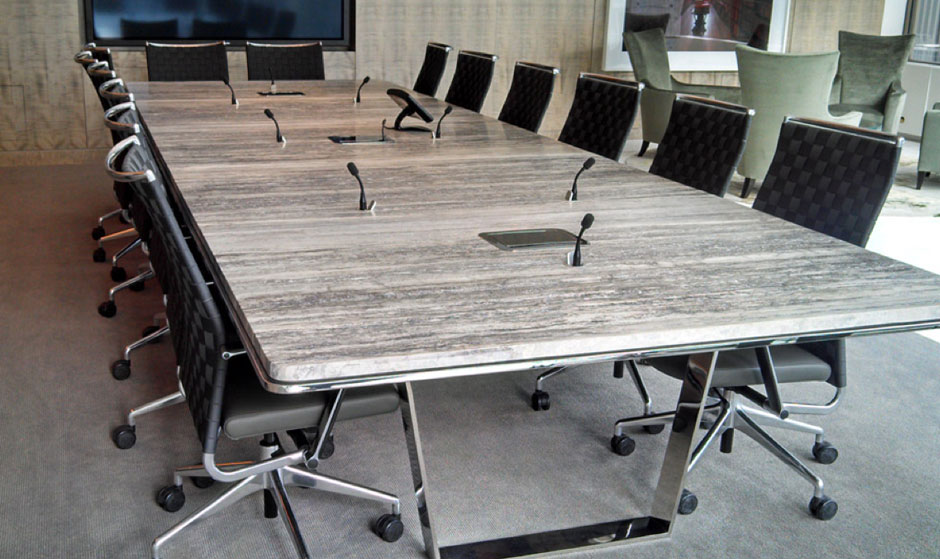
The material and finish of your conference table contribute significantly to its longevity, maintenance, and overall appearance. Wooden conference tables, particularly those made from hardwood like oak or walnut, exude a timeless elegance and are highly durable. However, they may require regular polishing and care. For a modern office environment, glass-topped tables with steel or aluminum bases offer a sleek, contemporary look, although they might be prone to fingerprints and scratches. Laminate tables are a cost-effective and low-maintenance option, available in a wide variety of colors and textures. Depending on the brand and finish, laminate can mimic the look of real wood without the associated cost or upkeep. Matching the material with your offices interior theme and branding is essential. A thoughtfully selected finish not only complements the workspace aesthetics but also leaves a lasting impression on clients and stakeholders who attend meetings in the room.
Functional Features That Make a Difference
Todays office spaces demand functionality as much as form. When purchasing a conference table, consider additional features that enhance its utility. Built-in cable management systems are now a must-have, especially in technology-driven environments. These systems prevent clutter caused by wires from projectors, laptops, and chargers, creating a tidy and distraction-free meeting environment. Some tables also come equipped with integrated power outlets, USB ports, or wireless charging padsideal for teams that heavily rely on digital devices during discussions. Adjustable height tables, though less common, are gaining popularity for their health benefits and ergonomic advantages. A well-equipped conference table ensures that meetings flow seamlessly, saving time and improving overall efficiency. Its no longer just about sitting and talkingits about creating an interactive, flexible, and tech-friendly environment that supports collaboration.
Designing the Conference Room Around the Table
The conference table is the anchor around which the rest of the room is designed. Its presence dictates the arrangement of chairs, lighting, AV equipment, and even wall dcor. For maximum comfort and engagement, each participant should have at least 30 inches of personal space at the table. This ensures they can use laptops, take notes, and interact without feeling cramped. Lighting should be evenly distributed across the table to prevent shadows or glares. Pendant lights or overhead fixtures placed strategically above the table add visual appeal while enhancing functionality. Wall-mounted whiteboards, LED screens, or acoustic panels should also be considered to support presentations and discussions. The color scheme and dcor of the conference room should reflect the brands identity while maintaining a professional and welcoming atmosphere. With the right design choices, a conference room becomes more than just a place to meetit becomes a hub of creativity, innovation, and leadership.
Conference Tables and Workplace Culture
The style and layout of your conference table can reveal much about your companys culture. Traditional boardroom setups with imposing tables may signal hierarchy and formal structure, which works well for law firms or financial institutions. In contrast, open or circular layouts promote equality, teamwork, and transparency, making them ideal for tech companies or creative agencies. As businesses increasingly adopt hybrid work models, the role of physical meetings becomes even more strategic. Conference rooms and their tables now serve as venues for high-impact discussions and in-person collaboration. Investing in a high-quality, versatile conference table can reinforce your teams sense of belonging and purpose. It signifies that you value their input and are committed to providing a conducive space for dialogue and decision-making. Companies that align their office furniture with their values send a strong messageboth to employees and clientsthat they care about communication, productivity, and comfort.
Sustainability and Long-Term Value
More businesses are factoring sustainability into their office furniture purchases, and conference tables are no exception. Choosing tables made from eco-friendly materials or certified by environmental standards like FSC (Forest Stewardship Council) shows a commitment to responsible sourcing. Modular conference tables are particularly beneficial in this regard, as they offer long-term adaptability, reducing the need for frequent replacements. Additionally, investing in high-quality craftsmanship reduces waste and repair costs over time. From a financial standpoint, a durable and functional conference table offers excellent return on investment. It minimizes the need for future upgrades while continuing to meet your evolving needs. Being mindful of sustainability also boosts your brand image, especially among clients and partners who prioritize eco-conscious business practices. Ultimately, a sustainable conference table reflects your long-term visionnot only for your company but for the planet as well.
Conclusion: Invest in the Right Conference Table for Lasting Impact
The conference table is not just an accessoryit's a strategic asset that supports collaboration, reflects corporate identity, and enhances the meeting experience. From choosing the right shape and size to prioritizing material quality and smart features, every decision surrounding your conference table should be intentional. It is where partnerships are formed, strategies are discussed, and ideas come to life. Investing in a table that aligns with your functional needs and brand values can elevate your workspace significantly. If you're looking for expert guidance and access to a wide variety of high-quality options, Office Furniture Supplier Philippines offers the perfect balance of style, durability, and ergonomic design to meet your office needs.