




















Acting Quickly in Dental Emergencies: A Smile-Saving Decision
Be prepared for dental emergencies with fast steps, first aid tips, and expert help from an emergency dentist in Lisburn when it matters most.
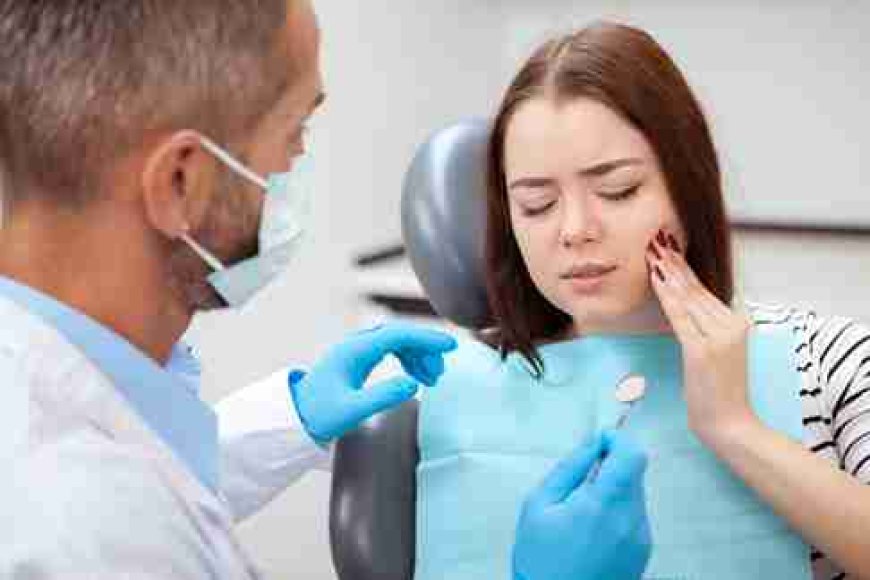
Unexpected dental emergencies can arise at any time, during a relaxed meal, a casual football match, or even while you're asleep. The pain and panic that follow can leave anyone feeling overwhelmed. Yet, the way you respond in those first critical moments can significantly affect the outcome. Whether its a sudden toothache or a knocked-out tooth, knowing how to act quickly and effectively can mean the difference between saving or losing a tooth.
This blog explores how to recognise dental emergencies, what steps to take immediately, the role of professional care, and how to prevent future problems.
What Is a Dental Emergency?
Not all dental issues require immediate attention, but certain situations demand swift and decisive action. A dental emergency involves any serious oral issue, such as severe pain, bleeding, infection, or trauma, that requires urgent care to ease pain, save a tooth, or stop bleeding.
Common dental emergencies include:
- Severe, unrelenting toothache
- Cracked or broken teeth
- Knocked-out tooth
- Dental abscess or infection
- Lost crown or filling
- Bleeding that doesnt stop
Ignoring such problems can result in permanent damage, worsening infections, and more expensive treatments later. Prompt intervention is vital to prevent complications and restore oral health.
Recognising Urgent Symptoms
Recognising the signs of a true dental emergency is crucial to seeking timely help. Heres a simple reference guide:
|
Symptom |
Urgency Level |
Action to Take |
|
Persistent toothache |
High |
Seek dental evaluation immediately |
|
Knocked-out tooth |
Critical |
Contact a dentist within 30 minutes |
|
Facial swelling |
High |
May indicate infection act fast |
|
Chipped/broken tooth |
Medium to High |
Depends on pain/nerve exposure |
|
Gum abscess or pus |
High |
Possible infection needs drainage |
|
Uncontrolled bleeding |
Critical |
Apply pressure and call a dentist |
These signs indicate problems that require immediate attention and shouldnt be postponed until a regular dental visit. Delaying treatment may increase discomfort, allow infection to spread, or reduce the chances of tooth preservation.
The Role of an Emergency Dentist
When at-home care isnt enough, anemergency dentist in Lisburnbecomes a vital lifeline. These dental experts are capable of handling sudden and severe oral health problems with efficiency.
Some of the services provided by an emergency dentist include:
- Pain management and immediate relief
- Draining abscesses or infections
- Re-cementing crowns or placing temporary restorations
- Re-implantation or stabilisation of knocked-out teeth
- Emergency root canal treatment
- Tooth extractions when necessary
An emergency dentist in Lisburn can often offer same-day appointments and extended hours to ensure that your dental crisis doesnt escalate into something worse. Their prompt response can make all the difference, especially in cases where the tooth can still be saved.
Immediate First Aid Measures
Being prepared to respond immediately can minimise discomfort and limit damage until you can see a dental professional.
- Toothache:Clean the mouth by rinsing with warm salt water and apply a cold pack to the outside of the cheek to ease swelling. Do not apply aspirin directly to the gums.
- Fractured or chipped tooth:Clean the mouth by rinsing well, place gauze on the area to manage bleeding, and use a cold compress to minimise swelling or inflammation.
- Lost filling or crown: Try to place the crown back over the tooth using temporary dental cement available at pharmacies, and avoid chewing on that side.
Always contact a professional promptly to follow up with proper treatment.
Prevention: Your Best Defence
While some dental emergencies are unavoidable, many can be prevented with simple precautions and good oral hygiene habits. Incorporating the following steps into your routine can greatly reduce your risk:
Preventive Measures to Consider:
- Maintain Daily Oral Hygiene:Brush and floss every day to effectively remove plaque and reduce harmful bacteria.
- Use Protective Gear:Always wear a mouthguard when playing sports or engaging in activities with a risk of impact to the mouth.
- Avoid chewing hard items: Ice, pens, or hard sweets can crack teeth.
- Reduce Sugar Intake:Cut down on sugary snacks and beverages, as they can lead to tooth decay and increase the risk of gum disease.
- Act early: Dont delay treatment for minor dental issues.
Good prevention not only protects your smile but also saves time, pain, and money in the long run.
Benefits of Having a Private Dentist
While emergency dental care is essential, having a trusted private dentist in Lisburn offers long-term peace of mind. Private practices often provide a more personalised experience, shorter wait times, and more flexible appointment scheduling.
Key benefits include:
- Access to modern dental technologies
- Continuity of care from a familiar team
- Comprehensive treatment plans
- Cosmetic and restorative dentistry services
- Preventative care tailored to your needs
Aprivate dentist in Lisburnwill also keep a detailed record of your dental history, ensuring that treatments are safe and well-informed, particularly in emergency situations.
Emotional and Practical Support
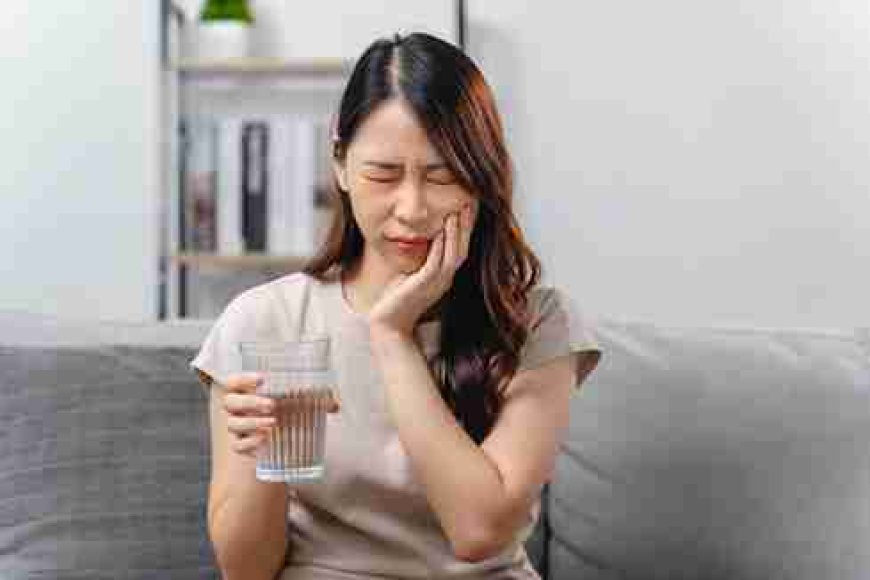
A dental emergency can be emotionally distressing, especially for children, elderly individuals, or those with anxiety. Knowing how to remain calm and provide reassurance can help manage the situation better.
Tips for coping during a dental emergency:
- Stay composed: Panic can escalate the situation.
- Use calming language: Especially for younger patients.
- Keep emergency contacts handy: Including your local dentist.
- Have an emergency dental kit: Gauze, pain relief tablets, dental wax, etc.
- Communicate openly: Let your dentist know about your anxiety or concerns.
Support from a trusted dental practice goes beyond just treatment, it includes compassion and reassurance in difficult moments.
Conclusion
Dental emergencies demand quick thinking and immediate action. Being able to recognise the signs, applying basic first aid, and seeking timely professional care can make the crucial difference between saving or losing a tooth. While prevention remains the best approach, knowing how to respond when accidents happen is equally important.At Lisburn, we are committed to offering prompt, compassionate dental support to protect your smile, whether you're in need of urgent care or long-term oral health solutions. Dont wait for pain to dictate your next step, be prepared, act fast, and trust that help is always within reach.